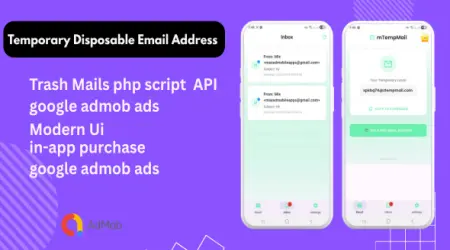
Temporary Email in 2026: Benefits, Best Practices, and Risks of Using Temp Mail
Temporary Email in 2026: Benefits, Best Practices, and Risks of Using Temp Mail
# Temporary Email in 2026: Benefits, Best Practices, and Risks of Using Temp Mail
As online privacy concerns rise and inboxes overflow with marketing messages, **temporary email**—often called *temp mail* or *disposable email*—has become a useful tool for protecting personal information. In 2026, the need for disposable email solutions is more pressing than ever. This guide explains what temporary email is, why people use it, how to use it responsibly, and the potential risks to be aware of.
## What Is Temporary Email?
A temporary email address is a randomly generated inbox that exists for a short period and then expires. Unlike a permanent email address tied to your identity, a temporary email is designed for one‑time or short‑term use. When you sign up for a temporary email service, you receive a random address that can be used to register on websites, receive verification codes or download resources. Emails sent to this address are accessible via a web interface, and after a set time the address and its contents are deleted. Because disposable email services require no registration or personal data, they add a layer of anonymity and make it harder for companies to track your activ
## Benefits of Temporary Email
Temporary email addresses offer several advantages:
- **Protect your privacy and reduce spam.** By using a disposable address for sign‑ups and downloads, you keep your primary inbox free from unwanted messages and prevent data brokers from collecting your real email. This also reduces your digital footprint and lowers the risk of data breaches.
- **Anonymity and flexibility.** Temp mail services make it easy to generate a new address with one click and dispose of it when you’re finished. This flexibility is ideal for one‑off downloads, contests, surveys or any situation where you don’t want to share your real email address.
- **Easy testing and temporary tasks.** Developers and testers use temp mail to check sign‑up flows and notification systems without using personal accounts. Consumers can register for webinars, free trials or online forums without worrying about follow‑up marketing.
- **Cost‑effective solution.** Most temporary email services are free or very low cost, so anyone can enhance their online privacy without incurring additional expenses.
ity.
## Growing Popularity and Market Trends
Demand for disposable email tools has increased in recent years as online fraud grows and data‑protection regulations tighten. Many services are expanding quickly because they are user‑friendly and offer improved security features. This trend shows that more people are seeking simple privacy tools to control their data and limit unsolicited marketing.
## Best Practices for Using Temp Mail
Temporary email is most effective when used correctly. Keep these guidelines in mind:
1. **Choose a reputable provider.** Not all temp mail services are created equal. Some log IP addresses, insert ads with tracking scripts or operate insecure connections. A reliable provider should use HTTPS encryption, avoid IP logging, have a transparent privacy policy and offer multiple domain options.
2. **Use temp mail only for low‑stakes accounts.** Disposable emails are intended for short‑term interactions. Avoid using them for sensitive accounts such as banking, healthcare, government services or primary social‑media profiles. If losing access to the inbox would matter in three months, use a permanent email address instead.
3. **Understand expiration policies.** Different services have different rules about how long addresses and their contents remain active. Before using a temporary inbox, check how long the address exists, when the inbox content gets deleted and whether you can extend the session.
4. **Combine with other privacy tools.** Temp mail doesn’t anonymize your personal data beyond your email address. For additional privacy, consider using it alongside a VPN and avoid providing real n
## Risks and Limitations of Disposable Email
While temp mail is convenient, it isn’t risk‑free. Keep these limitations in mind:
- **Limited security and public inboxes.** Many free disposable email providers don’t encrypt messages or protect inbox access. Some log IP addresses and browser fingerprints, meaning anonymity isn’t guaranteed. Because inbox links can be shared or reused, strangers could access your messages.
- **No recovery or long‑term access.** Once a temporary address expires, you lose access to any accounts tied to it. If you need to reset a password later, you’ll be locked out. Temp mail should never be used for accounts that require ongoing access.
- **Barebones functionality.** Many temp mail services are receive‑only and have minimal features. Important messages might not arrive, and you can’t reply or organize the inbox.
- **Blocked by websites.** Some platforms flag or block disposable addresses. Using one can result in your account being banned before you start. Always check if a site permits temp mail before registering.
By understanding these limitations, you can decide when temp mail is appropriate and choose a more secure alternative—such as email aliasing with a paid provider—if you need additional features or long‑term access.
## Conclusion
In 2026, temporary email addresses remain a valuable tool for enhancing digital privacy and reducing spam. They provide anonymity, reduce your digital footprint and are easy to use for one‑off tasks like downloading resources or testing services. However, temp mail is not a silver bullet. To protect yourself, choose a reputable provider, follow best practices and avoid using disposable addresses for important accounts. When used wisely, temp mail helps you maintain control over your personal data while navigating the modern internet.
ames or payment details unless necessary.