The Ultimate Guide to Digital Privacy in 2026: How to Reclaim Your Anonymity

The Ultimate Guide to Digital Privacy in 2026: How to Reclaim Your Anonymity
In the modern digital landscape, data has become more valuable than oil. Every click, search query, and social media interaction is a data point harvested by tech giants, advertisers, and, unfortunately, malicious actors. As we navigate 2026, the concept of "privacy" has shifted from being a default setting to a luxury that requires active effort to maintain. Whether you are concerned about corporate surveillance, identity theft, or simply want to browse the web without being followed by personalized ads, achieving digital anonymity is a multi-layered process.
This guide serves as your comprehensive roadmap to reclaiming your digital life. We will explore the tools, habits, and strategies—from hardened browsers to disposable identities—that will help you shield your personal information from the prying eyes of the internet.
1. The Browser: Hardening Your First Line of Defense
Your web browser is the window through which you view the digital world, but it is also the primary tool used to track you. Most "out-of-the-box" browsers like Google Chrome are designed to facilitate data collection. To reclaim your privacy, you must change how you browse.
- Switch to Privacy-First Browsers: Consider moving to Brave, which blocks trackers by default, or LibreWolf. For those seeking maximum anonymity, the Mullvad Browser is designed to minimize your unique "digital fingerprint."
- The Problem with Fingerprinting: Even if you delete your cookies, websites can identify you through "browser fingerprinting"—analyzing your screen resolution, fonts, and hardware specs. Using a privacy-focused browser helps mask these details.
2. Search Engines: Escaping the Tracking Loop
When you use a standard search engine, you aren't just searching for information; the engine is searching for information about you. It builds a profile of your interests and health concerns.
- Ditch the Data Miners: Move away from Google and Bing. Instead, use DuckDuckGo or Startpage. Startpage is particularly useful because it provides Google search results but strips away all tracking.
3. Disposable Identities: The Power of Temp Mail and Aliases
Your email address is your digital social security number. It links your various accounts together, making it easy for data brokers to build a complete profile of your life.
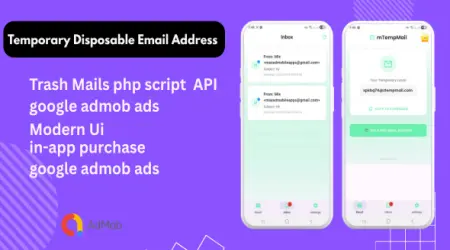
- Using Temp Mails for "One-Off" Services: When signing up for a newsletter or a community forum like Discord, never use your primary email. Use services like Temp Mail. These allow you to verify an account and then let the address vanish.
- Email Masking: For services you intend to use long-term, use an email masking service like SimpleLogin. This allows you to create a unique "alias" that forwards to your real inbox, which can be deleted if it starts receiving spam.
4. Communication: Breaking Free from Big Tech
Messaging apps are where our most private conversations happen. However, not all "encrypted" apps are created equal.
- Why Signal is the Gold Standard: Unlike WhatsApp or Telegram, Signal is a non-profit that stores virtually zero metadata. It doesn't know who you are talking to or when.
- Secondary Phone Numbers: Consider using a Virtual Phone Number for apps that require a phone number for registration. This prevents your personal SIM card from being linked to your social profiles.
5. Network Security: The VPN and DNS Layer
Even with a private browser, your Internet Service Provider (ISP) can see every domain you visit.
- The Role of a VPN: A Virtual Private Network (VPN) encrypts your traffic and hides your IP address. Stick to paid, reputable providers like Mullvad or IVPN that have undergone independent audits.
- Encrypted DNS: Using NextDNS or Cloudflare 1.1.1.1 ensures that your DNS requests are encrypted and hidden from your ISP.
6. Mobile Privacy: The Tracking Device in Your Pocket
Your smartphone is the most sophisticated tracking tool ever invented. It tracks your GPS location and movement patterns.
- Audit App Permissions: Periodically check which apps have access to your Location and Microphone. Most apps do not need these to function.
- Limit Ad Tracking: On iOS, go to Settings > Privacy > Tracking and turn off "Allow Apps to Request to Track." On Android, look for "Delete Advertising ID."
Frequently Asked Questions
Does "Incognito Mode" make me anonymous?
No. Incognito mode only prevents your browser from saving your history locally. Your ISP and the websites you visit can still see exactly who you are.
Can I be 100% anonymous online?
True 100% anonymity is nearly impossible, but by using these tools, you can stop 99% of trackers and data collectors.
Is privacy only for people with something to hide?
No. Privacy is about agency. It’s the right to choose what you share with the world and what you keep for yourself.